U.S. homeowner solar guide

OPEN READ | U.S. Solar Energy Guide for Homeowners

Explore our trusted U.S. Solar Energy Guide for Homeowners and make smarter decisions about rooftop solar. Learn about clear, practical information on solar installation, costs, efficiency, maintenance, battery storage, and state-specific requirements.

roof top solar

Efficiency

Practical information for U.S. homeowners, without unnecessary jargon.
Solar Panels

Practical information for U.S. homeowners, without unnecessary jargon.

Solar Cost Calculator

Simple planning estimate based on system size and an assumed installed cost per watt. Not an installer quote.

Assumed per-watt prices last updated: September 2026, based on national/state market averages \u2014 not live pricing.
Most homes use 1\u201320 kW. Value adjusted to a realistic range.
Real-world U.S. solar installs run $1.50\u2013$5.00/W. Value adjusted to stay realistic.
ESTIMATE ONLY \u2014 not a real quote
Estimated project cost
$0
Before incentives, financing, or project-specific extras.
Federal tax credit (30%)
Cost after credit

Est. payback period
Est. 25-yr savings
Estimate only, for planning purposes. Actual pricing depends on your roof, equipment, local labor rates, and installer. Assumes eligibility under the 2026 Residential Clean Energy Credit.

Frequently Asked Questions

Everything you need to know about solar energy and installation.

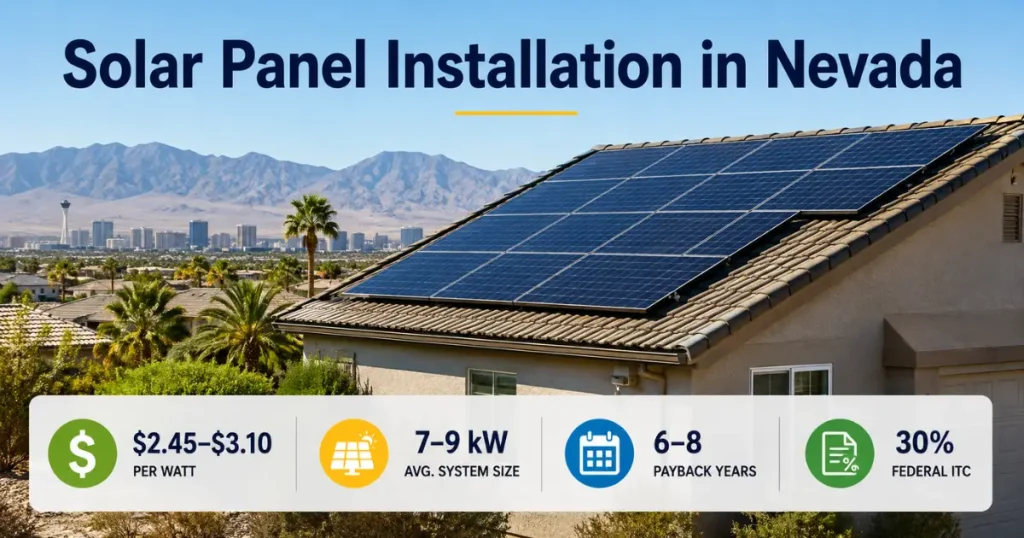
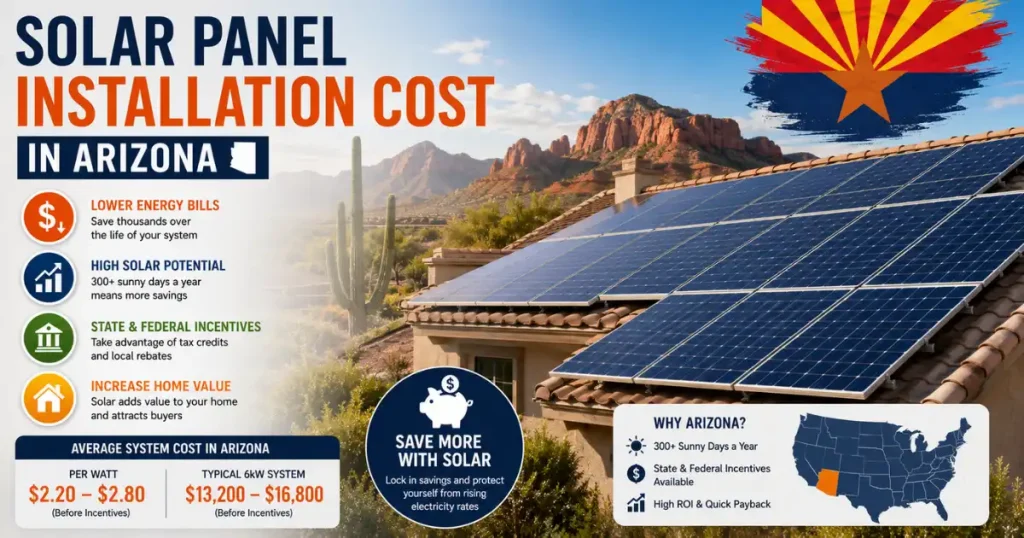
The average cost ranges from $15,000 to $25,000 before tax credits. Federal and state incentives can significantly reduce the final price.

Most homes are suitable for solar panels. Factors like roof condition, shading, orientation, and local regulations may affect installation.

Batteries are optional but recommended if you want backup power during outages or wish to maximize self-consumption of your solar energy.

Compare system size, panel efficiency, warranty terms, installer reputation, and total cost including all incentives and financing options.

Solar panels require minimal maintenance. Occasional cleaning and annual inspections are usually sufficient to keep them operating efficiently.