
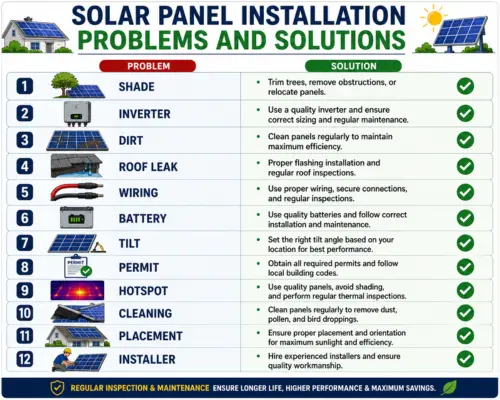
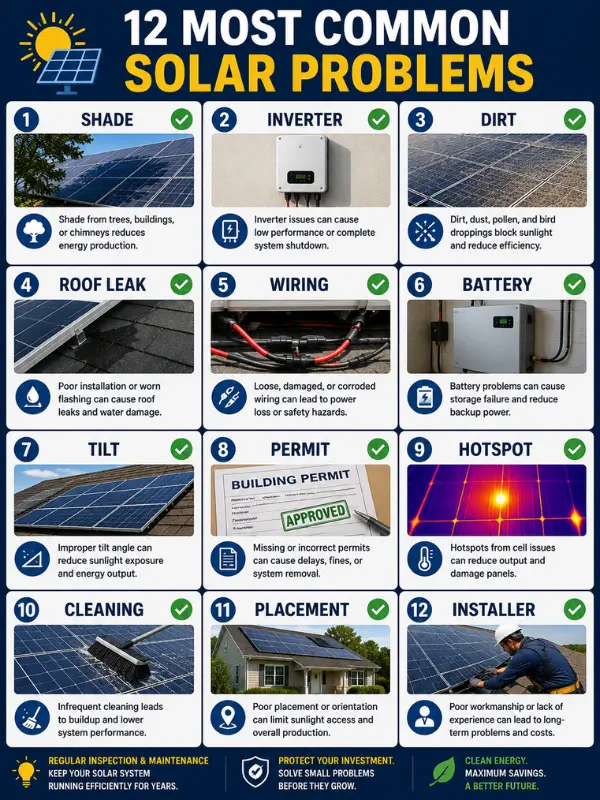
A solar system can reduce electricity bills for 25 years or more, but only if it is installed correctly. Even premium solar panels can underperform when installers make mistakes with shading, wiring, roof mounting, or inverter placement. In this guide, you’ll learn the 12 most common solar panel installation problems in the USA and how to avoid them.
However, the best solar panels won’t operate as they should if they aren’t put properly. Bad installation might cause less energy output, costly repairs, roof damage andPother performance problems. Some problems will show up right after installation. Some can take years to show up.
The good news is that most problems with installing solar panels are actually not very serious.. If you can look up what can go wrong and what to look out for before and after installation. THat will help you protect your investment and get the most out of your solar system. This guide outlines the most common solar panel installation problems in the U.S.why they occur, and how you can avoid them.
1. Shading on Solar Panels
Problem
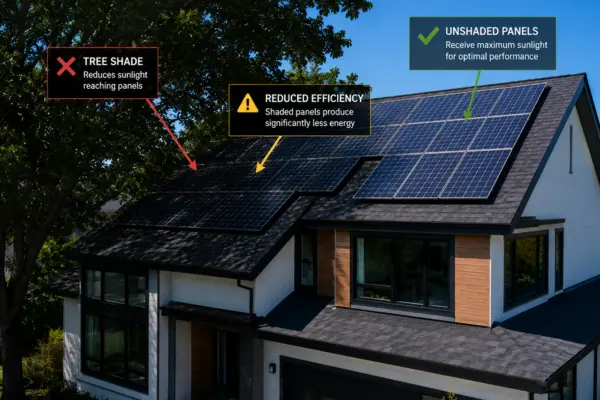
One big reason why solar systems don’t produce as much electricity is because they are in the shade. A string of panels can’t work as well if there is even a little shade.
Common sources of shading include:
- Growing trees
- Nearby buildings
- Chimneys
- Roof vents
- Satellite dishes
- Utility poles
- Seasonal changes in the sun’s position
It’s not a problem right away, but if one panel is shaded for just a few hours each day, your system can lose a good amount of energy over the course of a year.
Solution
Make sure your solar installers look at the site thoroughly before installing solar panels. They should check how sunlight hits your roof throughout the year.
Ask your installer if they plan to:
- Analyze year round sun exposure
- Use solar pathfinder tools
- Identify future shading risks from tree growth
- Position panels in the least shaded areas
- installing microinverters or power optimizers.
2. Inverter Failure
Problem
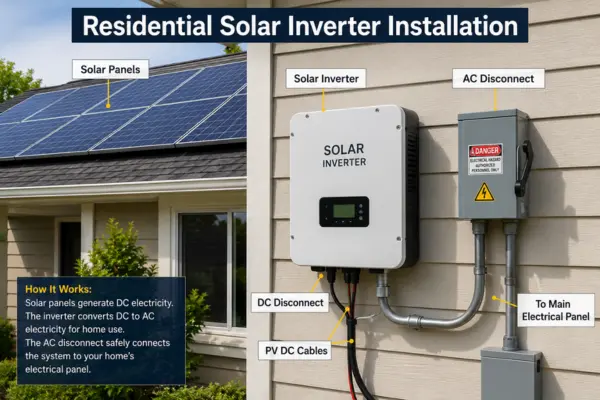
You can’t have a solar system without an inverter. The panels make direct current (DC) electricity. Then it is changed into alternating current (AC) electricity that gives power to your appliances.
Solar panels last 25 years or more but with inverters it doesn’t last that long. It lasts roughly 10-15 years or it will die much sooner due to extreme heat, voltage fluctuations, water exposure, or faulty components.
The thing with the inverter is: you will not see any physical damage, but you can notice small things such as warning lights, error codes, missing production data, or a sudden dip in energy generation. In another way, you might see the panel stop producing electricity. That will cause an increase in your electricity usage bill, as it is getting and absorbing sunlight, but it’s not going to your grid connection.
Solution
Here are a few things worth checking:
- You need to set the inverter in a well ventilated area.
- Check the inverter and its switches when there is any power outage. Sometimes whenever the power goes out it causes problems. A simple reset can fix that problem.
- You shouldn’t open the protected panels or fix the electrical parts by yourself. Calling a solar expert to check out the system and fix any broken parts would be a good idea.
- Must schedule a yearly inspection. If you catch a small inverter issue early. It can save you from bigger expenses and higher electricity costs down the road.
3. Dirt, Dust, and Soiling
Problem
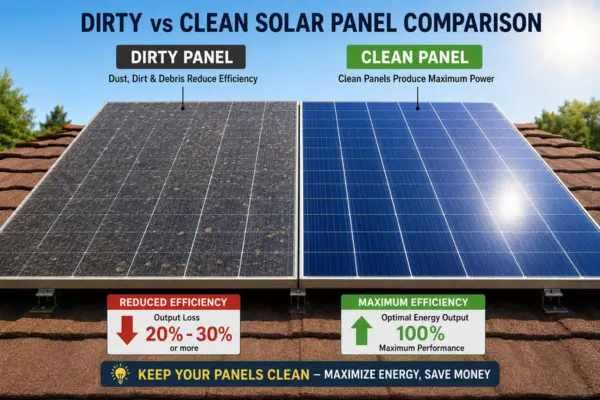
Overtime dust, pollen or road dust creates a layer on the panel. ANd it blocks away the sunlight and reduces your power output.
Solution:
- Wash your panels with water and a soft brush two to four times a year.
- If possible, install them with at least a 10-degree tilt. Whenever it rains it washes away a lot of the dirt naturally, so you won’t have to clean them.
- Hire a professional cleaning service to clean the steep or hard to reach area
4. Roof Leaks and Damage
Problem
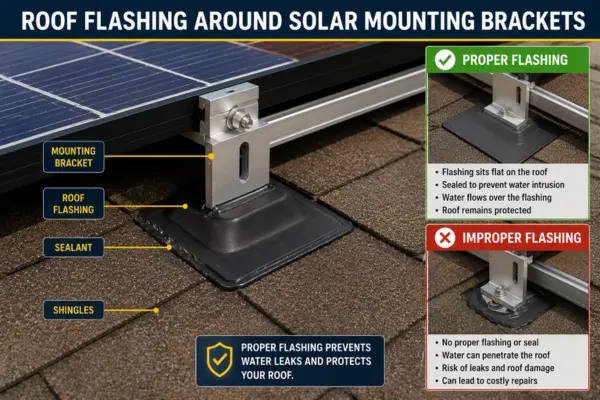
When mounting brackets aren’t sealed right. Or if the crew rushes with setting it up and the roofing material gets punctured. You usually don’t notice at first. The leak shows up months later, as a water stain, some mold, or a ceiling panel that’s started to sag.
Solution
- Make sure your installer flashes every mounting point properly. Sealant by itself isn’t enough.
- Get a written roof warranty that is separate from the panel warranty.
- Inspect the attic under the array twice a year for moisture, especially right after heavy rain.
5. Micro-Cracks and Hot Spots
Problem
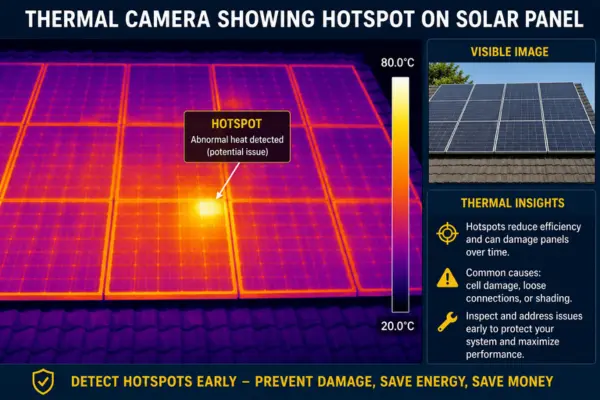
Panels get knocked around during shipping or installation more than people realize, and that creates tiny cracks you can’t see. Over time those cracks grow, hot spots form, and eventually the whole panel can go bad
Solution
- Get a thermal imaging scan done right after installation. It catches hot spots before they turn into a real problem.
- Go with panels that have a sturdy frame and tempered glass built to handle hail and strong wind.
- File a warranty claim right away if one panel’s output drops sharply, since cracks rarely stay small.
6. Low Energy Production
Problem
Homeowners expect a fixed output, but seasonal angle changes, temperature swings, and aging equipment all pull production below the original estimate over time.
Solution
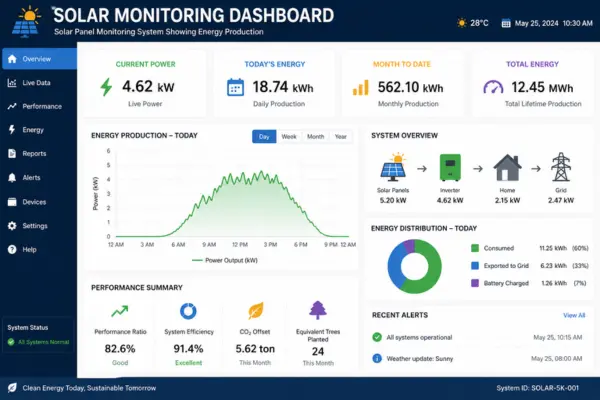
- Compare monthly output against your installer’s production estimate, not just your electric bill.
- Use a solar monitoring app that tracks output by panel or string, since total output hides which panel is underperforming.
- Call for a tune up if production stays 10 percent or more below estimate for two straight months.
7. Permit and Inspection Issues in the USA
Problem
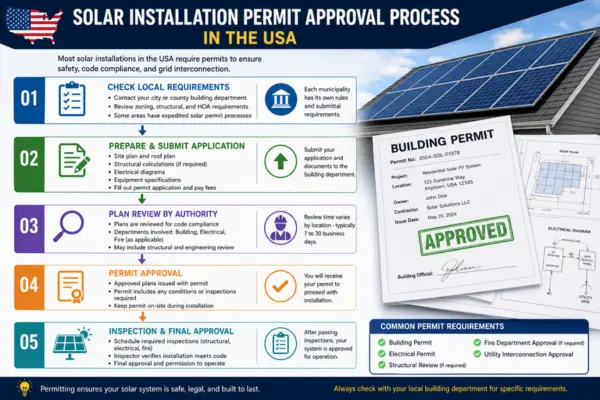
Every city and county in the US sets its own solar permit rules. Skipping them, or filing them wrong, delays system activation and risks fines or a forced removal of the array. This step alone can add several weeks to a project timeline when paperwork is filed incorrectly the first time.
Solution:
- Confirm your installer pulls permits before mounting anything; this is standard, not optional, in every state.
- Check your local building department’s solar permit checklist before signing a contract.
- Schedule the utility interconnection inspection early, since it is the slowest step in most US states.
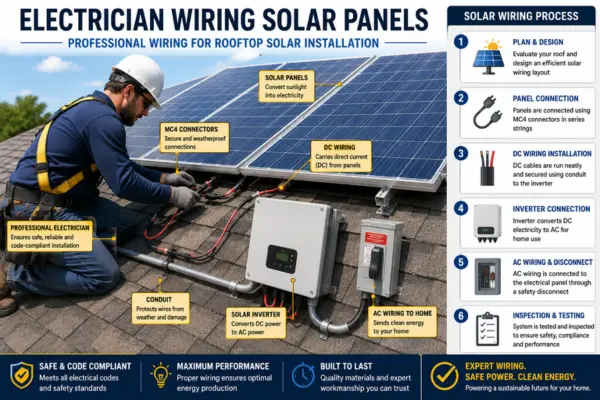
8. Wiring and Electrical Issues
Problem
Loose connections, undersized wires, and bad grounding are surprisingly common. They cause power loss, arc faults, and in rare cases, can even create a fire hazard. These problems also frequently cause installations to fail inspections, since most areas in the US now check grounding and conduit sizing pretty thoroughly.
Solution:
- Hire installers who actually follow the National Electrical Code for proper wire sizing and grounding.
- Include rapid shutdown devices (they’ve been required by code in most states since 2019 anyway).
- Plan on having your connections retorqued and inspected every three to five years; heat cycles tend to loosen them over time.
9. Wrong Panel Orientation or Tilt
Problem
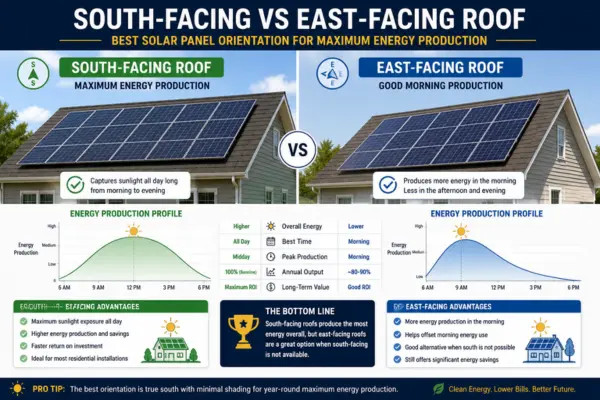
Pointing the panels in the wrong direction is an expensive mistake. You can easily lose 20–30% of your potential production. Fixing it later usually means taking the whole array down and re racking it.
Solution:
- South facing roofs are ideal for most of the country. East or west still work fine, just with a bit less output.
- Try to match the panel tilt to your local latitude for the best performance.
- If your roof pitch or direction is terrible, consider ground mounts or adjustable racking instead.
10. Poor Quality Panel Installation
Problem
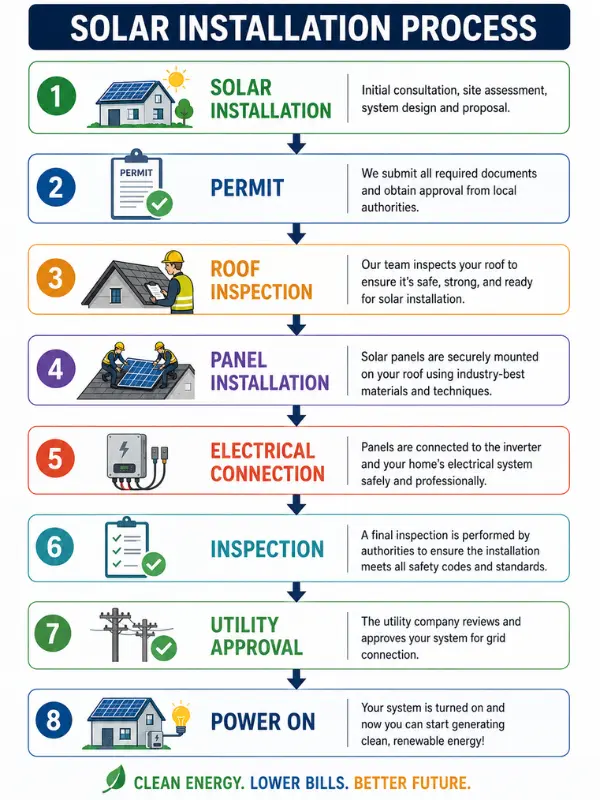
Installing solar panels is not a job that should be rushed. When it is rushed, some problems can happen, such as not tightening the torque bolts properly, not sealing roof penetrations correctly, or somehow not following the manufacturer’s instructions properly. When that happens, there is a high chance of early failures or leaks. And there is no way of getting help from the manufacturer because your warranty gets voided.
Solution:
- Before you sign make sure you read reviews of the installer and get verification of their licence and insurance.
- Get a copy of the manufacturer’s instructions and make sure the team used them.
- Receive a detailed report on the installation process, including with images of all mounting points and wiring runs.
11. Incorrect Solar Panel Placement
Problem
If you put panels too close together near roof vents, or on weak parts of the roof, they can block light, make air flow difficult, or even pose a structural risk. Plus, many local fire rules say that there must be clear paths across the roof for emergency access. This is something that is often forgotten when the panels are crammed in too tightly.
Solution:
- It’s wise to analyze your roof by structural experts to make sure that the roof can safely hold the weight of the whole array.
- Leave enough space around vents, skylights, and the edges of the roof.
- Space panel rows far enough apart to avoid self shading during low winter sun angles.
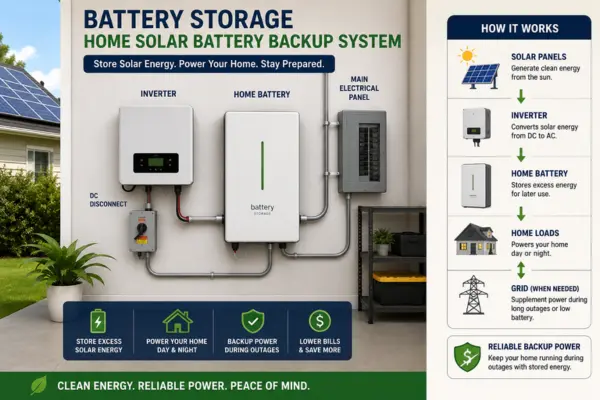
12. Battery Storage
Problem
Many homeowners install solar without battery storage, then lose power during outages or send extra energy back to the grid at low buyback rates.
Solution:
- Look for a battery to your home’s actual usage, not the system’s full output.
- Before you buy batteries, find out how much value your state gives to them according to its net metering regulations.
- Make sure the battery you buy comes with a warranty that lasts at least 10 years and that it works with the generator you already have.
Final Thoughts
One of the best long term purchases you can make for your home or business is still solar energy. But even high end equipment won’t work as well as it could if mistakes are made during installation.
The good news is that you can avoid most problems when installing solar panels. Many problems that affect efficiency and dependability can be avoided if you work with professionals who know what they’re doing, ask the right questions, keep an eye on your system on a regular basis, and do the necessary maintenance.
Before you sign a contract, make sure the contractor is qualified, know what the warranty covers, look over how much energy you can expect to get, and ask a lot of questions about permits, monitoring, and upkeep. If you put your solar system correctly, it can give you reliable electricity, lower utility bills, and more energy independence for many years to come.
Frequently Asked Questions
1. What is the most common solar panel installation problem?
The most common problem is shading from trees, chimneys, or nearby buildings. Even partial shade can reduce your solar system’s energy production and overall efficiency.
2. How can I tell if my solar panels were installed correctly?
You can check for proper installation by monitoring your system’s energy output, inspecting for roof leaks, reviewing the inverter performance, and ensuring the installation passed local inspections.
3. Can poor solar panel installation damage my roof?
Yes. Incorrect mounting or poorly sealed roof penetrations can lead to water leaks, structural damage, and expensive roof repairs over time.
4. How often should solar panels be inspected after installation?
Most experts recommend a professional inspection every 1 to 2 years. Regular inspections help identify wiring issues, loose connections, inverter problems, and panel damage before they become costly.
5. Does shading affect solar panel performance?
Yes. Even a small amount of shade on one panel can reduce the output of an entire string of panels, depending on the system design.
6. What should I do if my solar panels produce less electricity than expected?
Start by checking the monitoring system for error messages, inspect the panels for dirt or shading, and contact your installer if production remains significantly below the expected level.
7. Can improper wiring cause solar panel failures?
Yes. Loose or incorrect wiring can reduce system efficiency, trigger inverter faults, fail electrical inspections, and, in rare cases, create a fire hazard.
8. How can I avoid solar panel installation problems?
Choose a licensed and experienced installer, verify permits, review warranties, schedule regular maintenance, and monitor your system’s performance after installation.